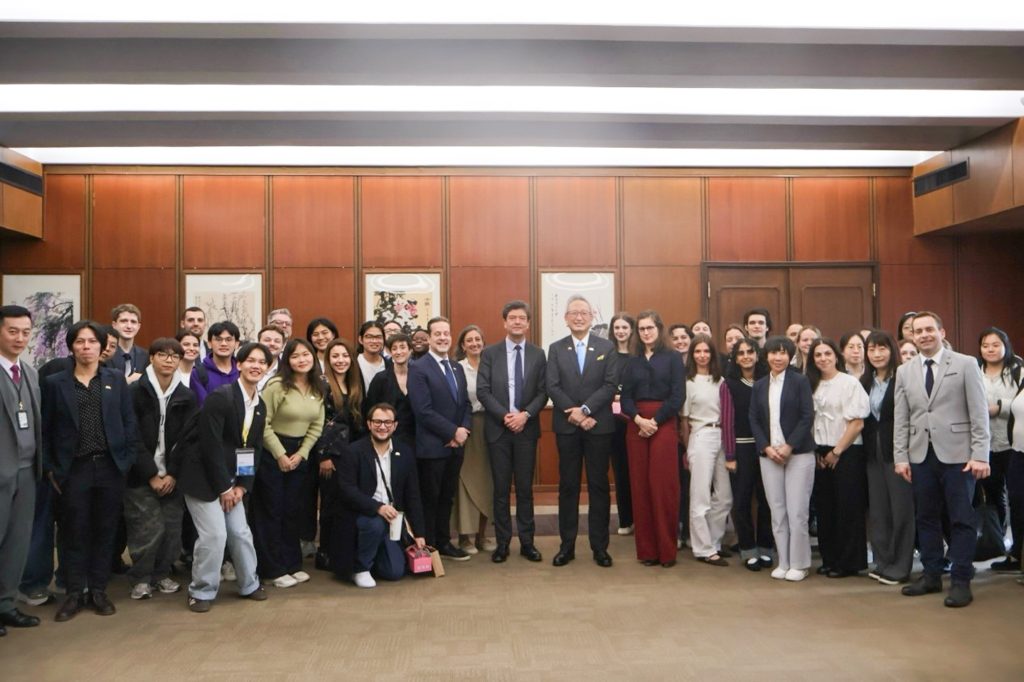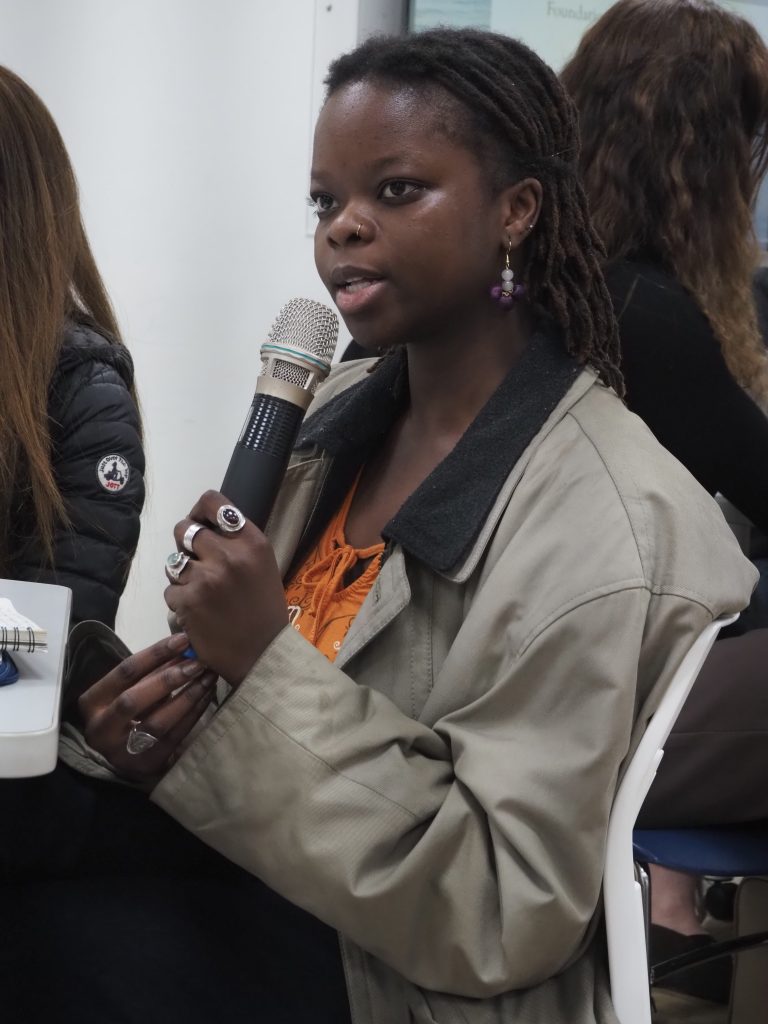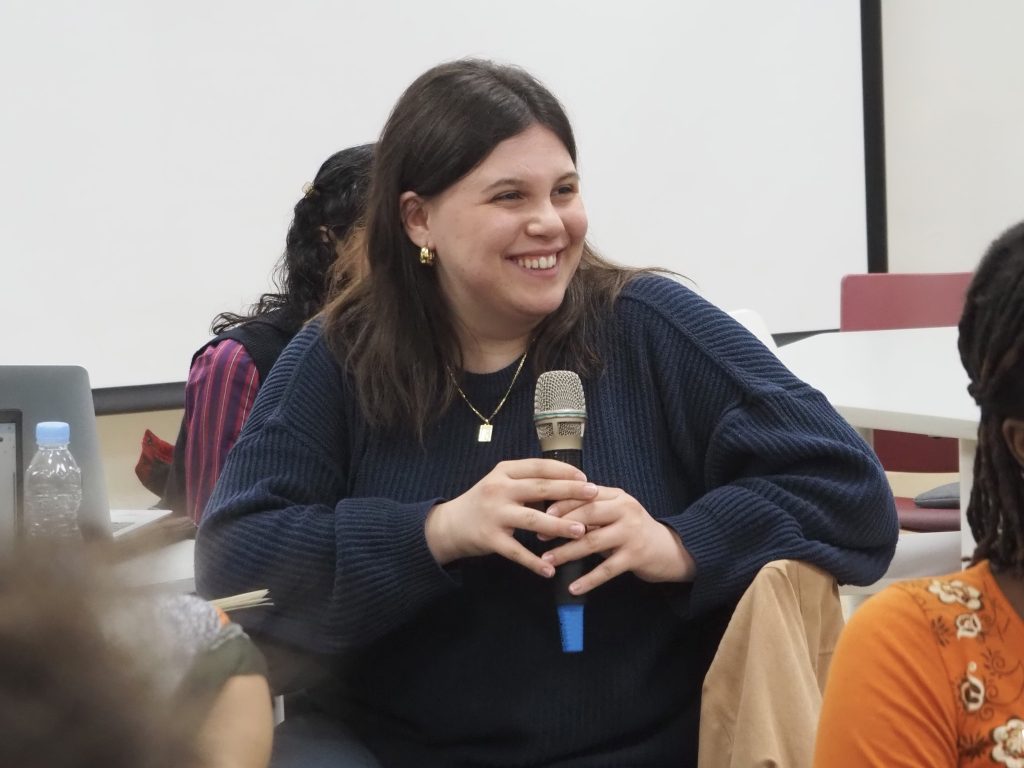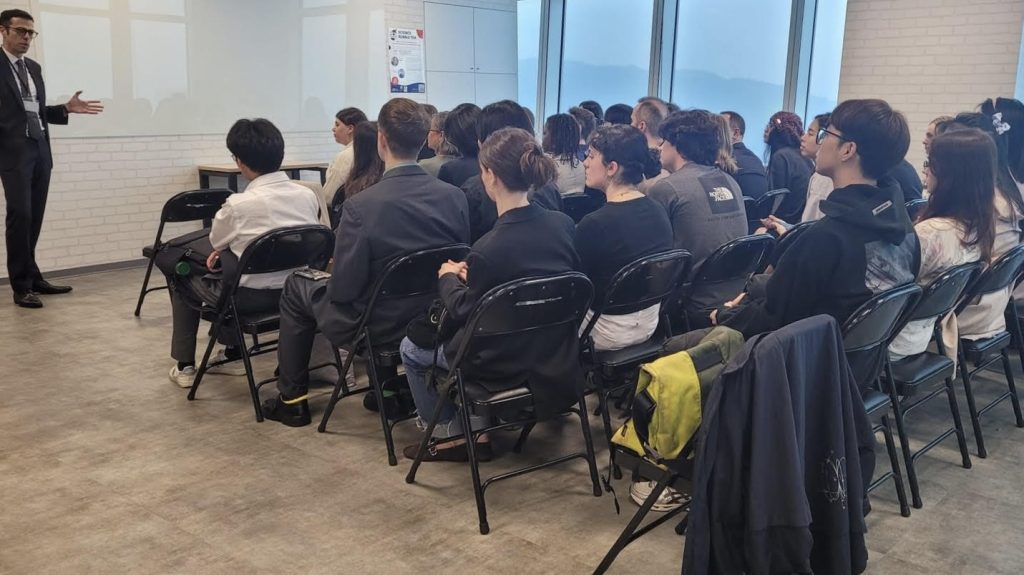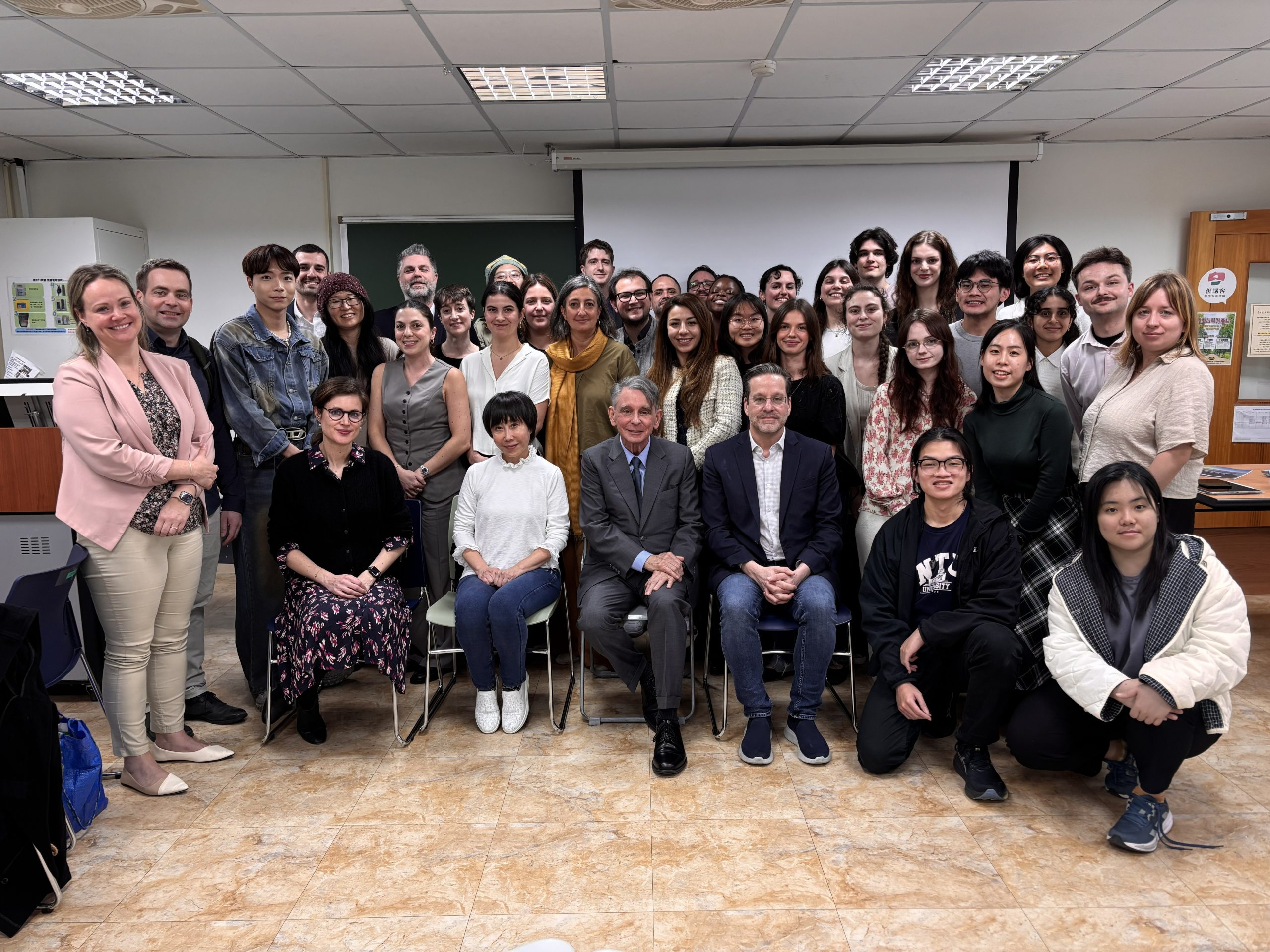

Over the week of February 2-6, 2026, thirty-five students from around the world were brought together to participate in “Foundations and Practices of Diplomacy: Winter School in Taiwan,” an intensive program introducing them to the intricacies of international diplomacy, with a focus on the relations between Taiwan, France, and Canada. Organized by NTNU’s International Taiwan Studies Center, in partnership with the Institut National des Langues et Civilisations Orientales (INALCO) in France and the École nationale d’administration publique (ENAP) in Canada, the program drew on the specialized faculty and research resources of the three institutions to provide participants with an in-depth understanding of Taiwan’s positioning within the international political framework, the mechanisms of interaction within the global economic system, and contemporary models of diplomatic strategy. This is the sixth iteration of this intensive program, but the first to be held in Taiwan.
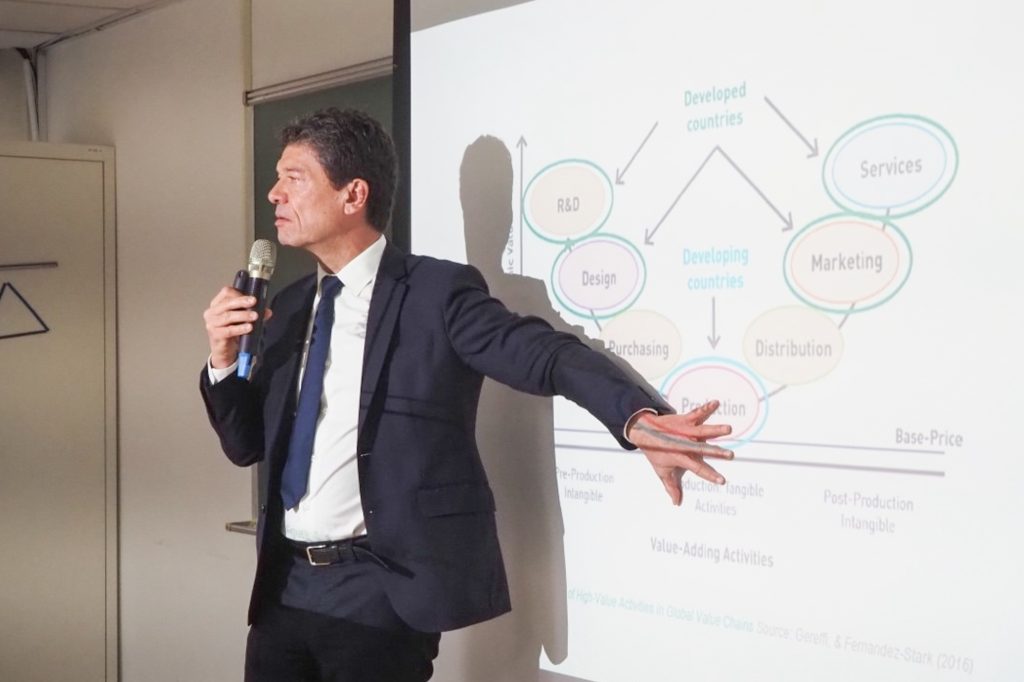
The sparkling lineup of speakers and lecturers included the President of Inalco, Mr. Jean-François Huchet, who spoke on how economic diplomacy has waxed and waned with the tides of globalization; the Vice-President of Inalco, Professor Delphine Allès, who introduced the basics of diplomacy and the capabilities of foreign offices; and Professor Stéphane Paquin of ENAP, who discussed the role of paradiplomacy, including projects such as vaccine outreach.
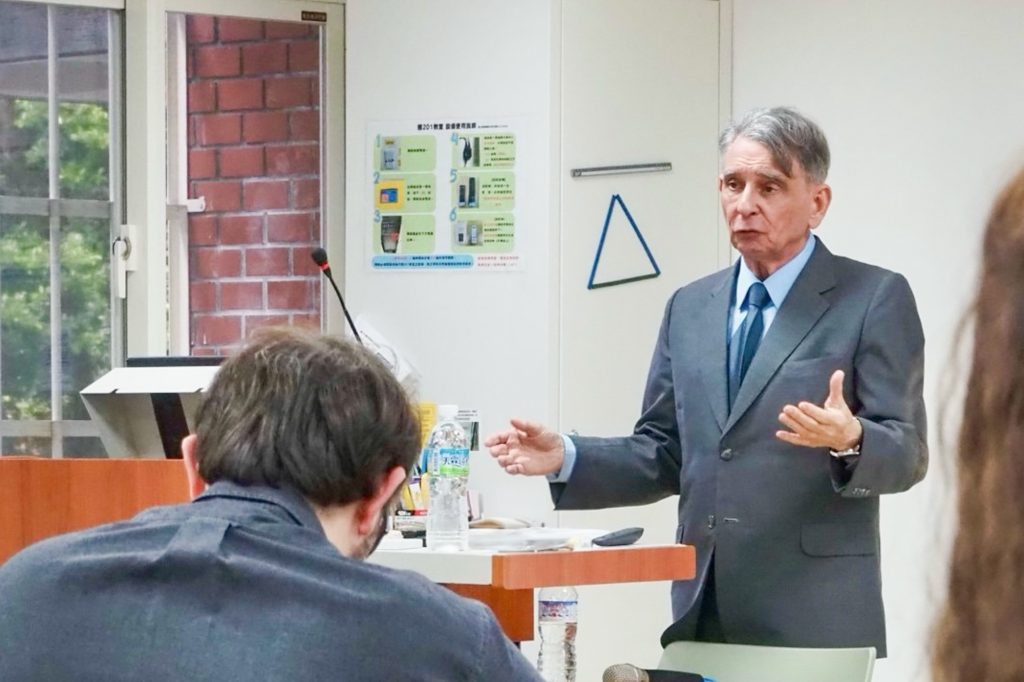
From Taiwan, special guest speakers included Prospect Foundation CEO Lai I-chung (賴怡忠), offering a comprehensive introduction to the history of Taiwan’s political diplomatic relations; Canadian Representative to Taiwan Marie-Louise Hannan, who spoke on the role of international diplomatic law; and William Anthony Stanton, a veteran US diplomat with thirty-four years of experience in all corners of the globe, including as former Director of the American Institute in Taiwan (AIT). At the winter school, he shared his insights from his time as a diplomatic officer in some of the world’s most politically critical areas, explaining what kind of person is well-suited to the lifestyle and day-to-day pressures of a diplomat.
Other activities included the simulated construction of international organizations to combat foreign interference and the prompting, writing, and revision of diplomatic cables. Students also participated in after-class cultural activities like karaoke, hot pot, and tourist visits.
The program also included two days of field trips. The first was to the Legislative Yuan, where students met with legislators Wu Pei-yi (吳沛憶) and Michelle Lin (林楚茵) to discuss the history of democracy in Taiwan, its significance in East Asia, and its worldwide visibility. This was followed by a visit to the Ministry of Foreign Affairs to discuss with Deputy Minister Wu Chih-chung (吳志中) how Taiwan builds and maintains its sovereignty and diplomatic ties amid foreign pressure. Students then conducted further exchanges with junior officers at the Ministry.
The program concluded with a visit to the French Office in Taipei for a meeting with Director Franck Paris and the Head of the European Economic and Trade Office, Lutz Güllner, as well as mini-lectures on paradiplomatic cooperation in culture, cinema, and science. The program as a whole was extremely well received, deepening cooperation between the three universities, promoting international visibility and understanding of Taiwan, and building personal connections between students and Taiwan. We look forward to organizing future sessions in this series and welcoming more students and scholars to learn about the diplomatic role Taiwan plays on the international stage.
For the original NTNU press release, click here.
Reporting by Gregory Laslo (樓克己)